The best red wine is the one that suits the way you want to drink it. If you want three current places to start, try Louis Jadot Beaujolais-Villages for fresh, juicy fruit; Columbia Crest Grand Estates Syrah for smoky dark fruit and supple texture; or E. Guigal Côtes du Rhône Rouge for a fuller, rounded Rhône blend.
Those are three different choices, not a universal first, second and third place. Your own preference matters more than anyone else’s ranking.
Our best red wine picks right now
We checked all three bottles against our current stock on 27 August 2026 and matched their descriptions to official producer information. Availability can change, so check the product page before making a trip or placing an order.
For fresh, juicy fruit: Louis Jadot Beaujolais-Villages
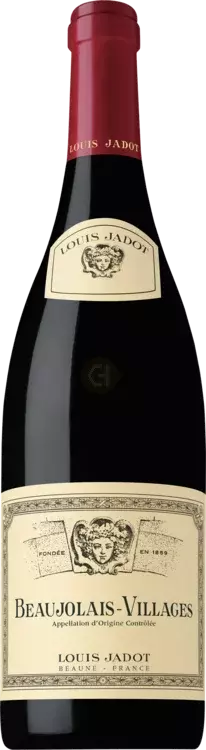
Louis Jadot Beaujolais-Villages is made from Gamay. The producer describes it as medium-bodied, fresh and juicy, with strawberry, black-cherry and spice notes.
Choose it if you want the producer’s fruit-forward, fresh and juicy profile. If firmer tannin is your priority, ask our team to compare it with a more structured bottle.
For smoky fruit and supple texture: Columbia Crest Grand Estates Syrah
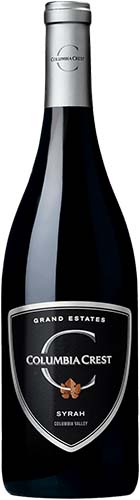
Columbia Crest Grand Estates Syrah has smoky tones, concentrated berries, dried herbs and pepper, followed by a supple texture with cedar and dark-fruit flavours, according to its producer.
Choose it if you like concentrated berries with dried-herb, pepper and smoky notes, while still wanting a supple texture. Choose something else if you would rather have the fresh, juicy fruit of the Beaujolais or the full-bodied Rhône blend below.
For a fuller, rounded red: E. Guigal Côtes du Rhône Rouge
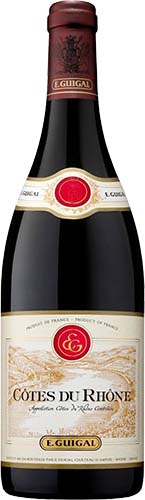
E. Guigal Côtes du Rhône Rouge blends 50% Syrah, 40% Grenache and 10% Mourvèdre. Guigal describes red berries and spice, a full body, rounded tannins and a long finish.
Choose it if you want a full-bodied red with rounded tannins. Guigal recommends serving the wine at 16–18°C. If you prefer a fresher, fruit-led red, begin with the Beaujolais-Villages instead.
Best red wines at a glance
Use this table as a starting point, then read the bottle-specific description. A grape name gives you a useful indication of style, but it does not guarantee what will be in the glass.
| What you want | Look for in the producer description | Current example from our range |
|---|---|---|
| Fresh, juicy fruit and medium body | Fruit-forward, fresh, juicy and medium-bodied | Louis Jadot Beaujolais-Villages |
| Smoky dark fruit, herbs and supple texture | Smoky tones, concentrated berries, dried herbs, pepper and supple texture | Columbia Crest Grand Estates Syrah |
| Fuller body, spice and rounded tannins | Full-bodied, red berries, spice and rounded tannins | E. Guigal Côtes du Rhône Rouge |
| Firmer tannin and upright structure | Cabernet Sauvignon as a starting clue; verify the exact bottle | Browse Cabernet Sauvignon |
| A style that can range from light and juicy to dense and powerful | Merlot — check the exact producer note | Browse Merlot |
The table is a starting point, not a ranking. A grape name can indicate style, but the exact bottle’s producer description still matters.
Four things that make choosing red wine easier
Body is the wine’s weight
Body is the overall, mouth-filling feel of a wine. Lighter- and fuller-bodied describe less or more perceived weight in the mouth. Neither is automatically better; choose the one you enjoy.
Tannin is the drying feeling
If a red wine makes your gums or tongue feel dry, you are noticing tannin. WSET distinguishes it from acidity this way: acidity makes your mouth water, while tannin has a drying effect.
That difference gives you useful language. You can ask for a wine with softer or firmer tannin instead of relying on vague words such as “smooth” or “bold.”
Acidity creates mouth-watering freshness
Acidity is the mouth-watering part of the wine, while tannin creates a drying sensation. A wine can show both at once; use those separate sensations to describe which part of its structure feels prominent.
Fruit aroma is not the same as sweetness
Sweetness refers to sugar in the wine. Fruit words describe aromas or flavours and do not, on their own, establish how much sugar is present. If sweetness matters to you, check the producer’s description or use our guide to sweet red wine.
How to read a red-wine label
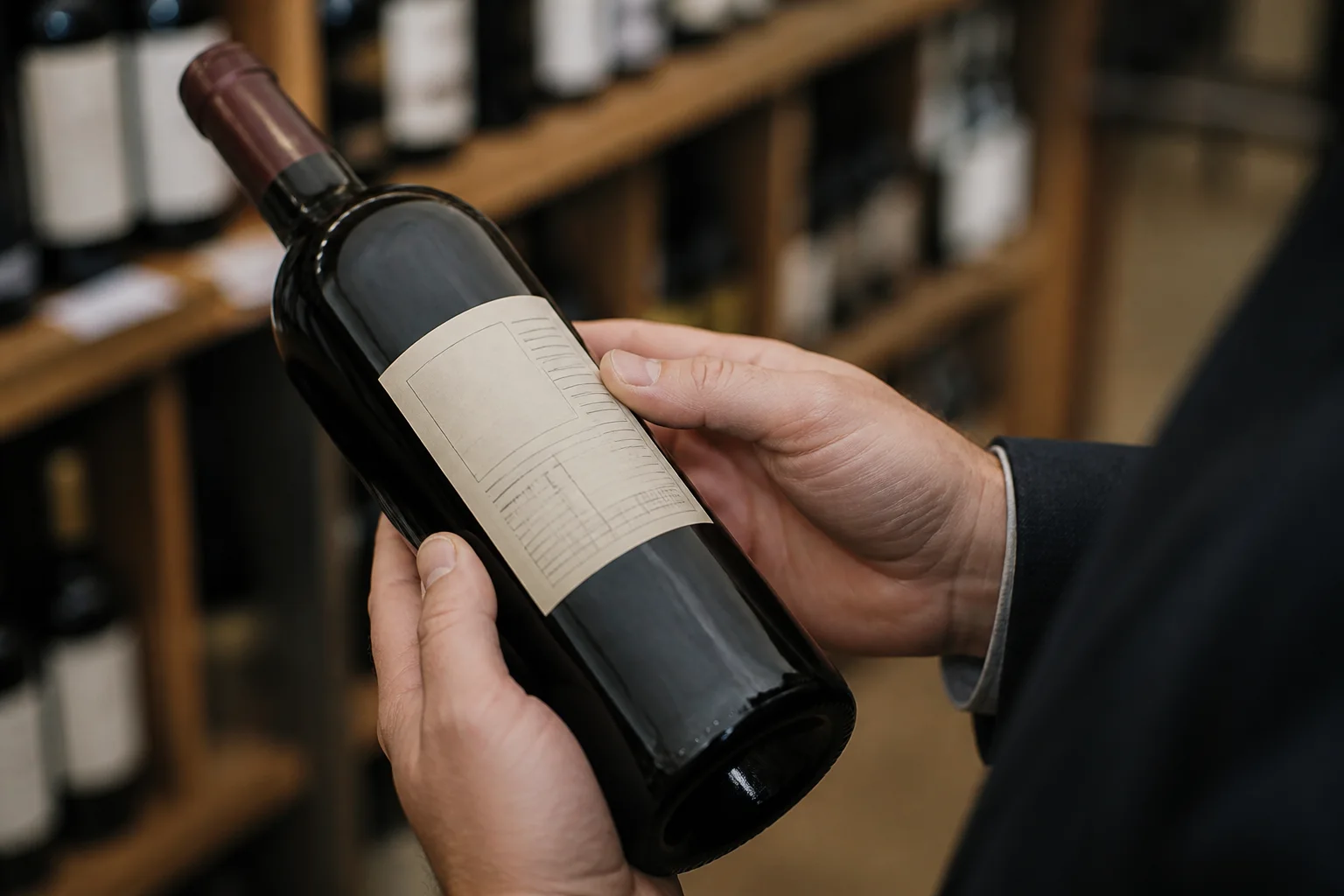
- Start with the grape or blend. The grape variety is a useful indication of style and flavour, not a promise.
- Note the place. If the label names a region or appellation, use the producer’s note to interpret it rather than assuming every wine from that place shares one style.
- Read the producer’s description. Look for the structural words that matter to you: light or full, soft or firm tannin, fresh or rich, dry or sweet.
- Check the alcohol statement. Many labels show alcohol content as a percentage. In the US, a numerical statement is mandatory above 14% ABV; wines from 7–14% may instead use “table wine” or “light wine.” When a percentage is shown, alcohol can add warmth and weight, so treat it as one clue and read the bottle-specific description for the rest of the style.
- Confirm the exact bottle. Make sure our listing and the producer information refer to the same named product, and recheck availability close to purchase.
If the language still feels unclear, ask for a comparison: “I liked this bottle, but I want something with less tannin,” or “I want the same body with more freshness.” That gives a wine merchant something concrete to work with.
How to choose for dinner, a gift or your first bottle
For dinner
Start with the wine’s weight and structure, then use the producer’s bottle-specific pairing as a clue. Louis Jadot suggests poultry, grilled vegetables, mild cheese or hors d’oeuvres for its Beaujolais-Villages. Guigal suggests cold meats, meat, game birds and cheese for its Côtes du Rhône Rouge. These are starting points, not rules; your own palate still decides whether the match works.
For a gift
Do not guess at “the best” in isolation. Find out whether the recipient likes lighter or fuller reds, softer or firmer tannin, fruit-led or savoury flavours, and whether the bottle is for drinking soon or for a particular meal. If you know none of that, choose a budget and ask our team for a broadly approachable current bottle rather than paying more for a style they may not enjoy.
For your first red wine
Begin with contrast, not prestige. Pick one fruit-led bottle, one savoury bottle and one fuller bottle, then note which texture you prefer. The three wines above create that comparison without pretending one grape represents every version of its style.
Should red wine be served at room temperature?
“Room temperature” is too vague to be a useful universal instruction. WSET gives a broad ideal range of 13–18°C for red wines. Guigal places its Côtes du Rhône Rouge toward the upper end at 16–18°C.
The useful point is the range, not one magic number for every bottle. Check the producer’s recommendation when one is available.
Frequently asked questions
What is the smoothest red wine?
“Smooth” can mean different things. If you mean less mouth-drying, ask for softer tannin. If you mean less weight, ask for a lighter body. If you mean fruit-led aromas rather than detectable sugar, say that too. Those details are more useful than the word on its own.
Is Merlot always softer than Cabernet Sauvignon?
No single grape guarantees one texture. Bordeaux’s official wine body describes Merlot as capable of everything from light, juicy wines to dense, powerful wines. It describes Cabernet Sauvignon in terms of vigorous tannin and upright structure, so Cabernet is a reasonable starting clue for firmer tannin, but you should still check the exact bottle.
Does a higher price mean a better red wine?
A higher price does not tell you whether the wine fits your preferences. Start with the style and occasion, set a budget, and compare bottles that meet the same job.
Which red wine is best for beginners?
There is no universal beginner bottle. Start with a clear choice between fresh, fruit-led character; smoky and savoury detail; or full body with rounded tannins. Once you know which direction you prefer, the next recommendation becomes much easier.
Find your next red wine
Browse our current Red Wine range, or contact our team with three details: your budget, what you are eating and whether you prefer a lighter, fruit-led red or something fuller and more structured. Those details help our team narrow the choice without relying on somebody else’s unexplained ranking.