If you want the shortlist first, start with Pueblo Viejo Blanco, Patrón Reposado and El Tesoro Añejo. All three were in stock when we checked on 20 August 2026, and each gives you a different tequila class to compare.
Our best tequila picks right now
We selected these three because they represent different classes and have detailed, bottle-matched producer information. They are useful starting points for different preferences, not a one-to-three ranking.
Pueblo Viejo Blanco Tequila
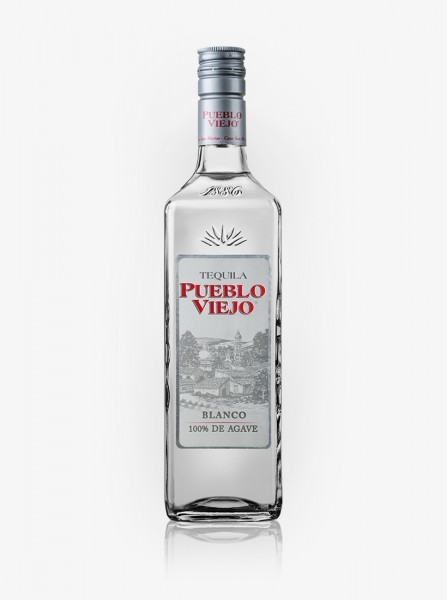
Pueblo Viejo Blanco is a 100% agave blanco. The producer describes green apple, fruit and citrus aromas, with cooked agave, herbal and lightly spicy notes on the palate. You can compare 375 ml, 750 ml and 1 L formats on the product page, making this a practical option when bottle size matters.
Patrón Reposado Tequila
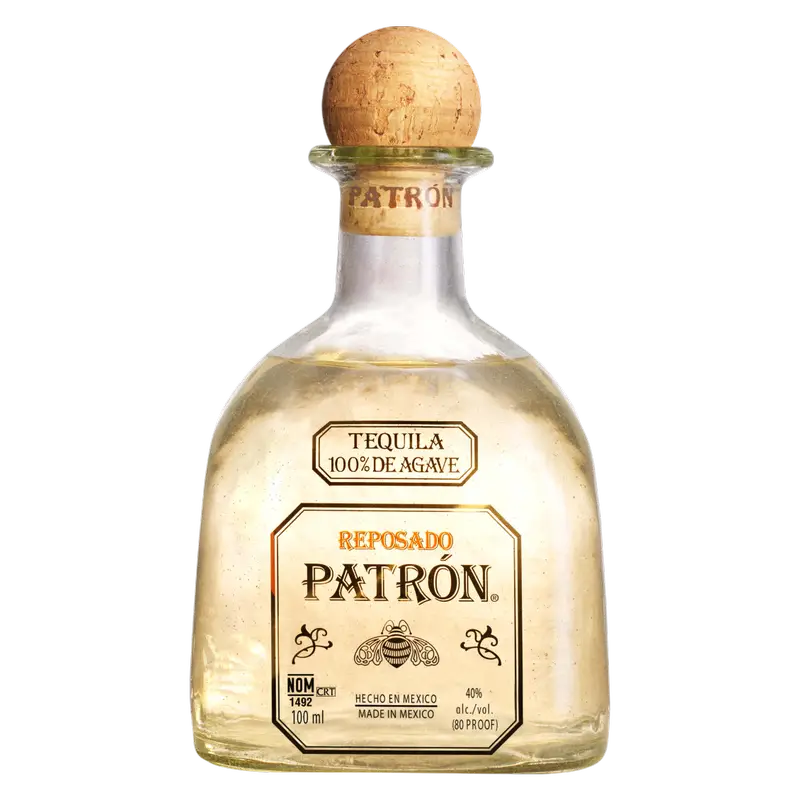
Patrón Reposado is aged for at least four months, longer than the legal two-month minimum for its class. Patrón’s notes emphasize cooked agave and light oak. Compare it when you want a bottle with a clearly stated maturation period rather than choosing from the word reposado alone.
El Tesoro Añejo Tequila
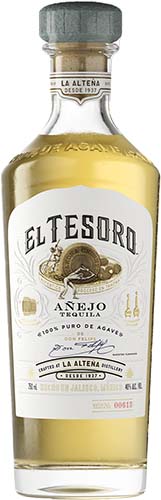
El Tesoro Añejo is aged for two to three years in American oak ex-bourbon barrels. The producer describes agave, pepper, oak and floral tones, followed by a vanilla finish. Compare it when those producer-stated notes and a longer period of wood maturation fit what you are looking for.
There is no single best tequila for everyone. The right bottle depends on how you plan to drink it, how much wood maturation you want, and which producer notes appeal to you. Start with the class, then check whether the label says 100% agave, find the NOM producer registration, note the ABV and read the exact bottle description.
That method is more reliable than buying the oldest or most expensive bottle on the shelf. Age and price can narrow your options, but they cannot tell you which tequila you will enjoy.
The quick way to choose tequila
| If you want… | Start by comparing… | Why this is a useful starting point |
|---|---|---|
| A cocktail bottle from a class that may have no wood maturation | Blanco or plata | This class may be bottled without wood maturation or spend less than two months in oak or holm oak. |
| One bottle to try in cocktails and on its own | Reposado | The class has at least two months of wood maturation, without the one-year minimum required for añejo. |
| A more wood-matured style | Añejo | Añejo must mature for at least one year in qualifying oak or holm oak vessels. |
| The longest official age class | Extra añejo | Extra añejo must mature for at least three years. |
| A bottle chosen for flavour rather than class alone | Any class with useful producer notes | Class tells you part of the production story, not whether you will like the finished tequila. |
Use the table as a place to begin, not a ranking. A blanco is not automatically better for every cocktail, and extra añejo is not automatically better for sipping.
First decide what “best” means for you
For margaritas and other mixed drinks
Start by comparing blancos when you want the option of little or no wood maturation. Look at bottle-specific notes and ABV as well as price. If you already know that you enjoy some barrel influence, compare reposado too.
For sipping
Do not treat the class as a quality ladder. Reposado, añejo and extra añejo tell you the minimum time the spirit spent in contact with wood; they do not tell you which balance of agave, oak or other flavours you prefer. Read the producer’s description of the exact bottle before choosing.
For a gift
Choose around the recipient rather than the most elaborate box. A familiar class, a producer they already like or a bottle with a clear production story is more useful than price alone. Check the current size and availability before you buy.
How to read a tequila label
1. Find the category: 100% agave or Tequila
These are legal categories, not review scores. Under Mexico’s tequila standard, 100% agave means the fermentable sugars come only from blue Weber agave grown in the protected territory. A bottle labelled simply Tequila may use up to 49% other reducing sugars in its formulation.
That makes 100% agave a useful ingredient decision. It does not mean every such bottle tastes the same, and the words do not by themselves certify that a tequila is additive-free. The same standard separately allows specified sweeteners, colourants, aromas or flavourings under defined limits.
2. Check the official class
NOM-006 names five classes: blanco or plata, joven or oro, reposado, añejo and extra añejo. These terms tell you about treatment after distillation, especially maturation.
Our tequila range includes cristalino, but it is not one of those five named classes in NOM-006. If you are considering one, also find its official class and read how the producer describes the filtration or finishing.
3. Find the NOM mark and producer registration
The official NOM mark appears with the authorized producer’s registration number. It helps identify the regulated producer and confirms that the tequila is covered by the official standard. It is not a score for taste, value or craftsmanship.
4. Read the ABV and the bottle-specific notes
The label must state alcohol by volume. Then use the producer’s exact notes to decide whether the described style sounds right for you. Do not assume that colour, price, packaging or class can supply tasting notes that the producer has not given.
What the five tequila classes mean
Blanco or plata
Blanco is transparent, though the standard says it is not necessarily colourless. It may be bottled without wood maturation or spend less than two months in oak or holm oak.
Joven or oro
Joven can be a blend of blanco with reposado, añejo or extra añejo. The standard also uses the class for blanco combined with permitted ingredients through a process called abocamiento. Do not assume every gold-coloured tequila was aged for the same period.
Reposado
Reposado matures for at least two months in direct contact with oak or holm oak. That is a minimum, so check the producer’s stated maturation for the exact bottle.
Añejo
Añejo matures for at least one year in oak or holm oak vessels with a maximum capacity of 600 litres.
Extra añejo
Extra añejo matures for at least three years in the same permitted vessel types and maximum capacity. Longer maturation is a production fact, not a guarantee that you will prefer it.
A five-point check before you buy
- Decide whether the bottle is mainly for mixing, sipping, sharing or gifting.
- Choose a class as a starting point, not a quality ranking.
- Check whether the category says
100% agaveor simplyTequila. - Find the NOM producer registration, ABV and exact producer notes.
- Confirm the current size, price and stock on the product page.
Frequently asked questions
Is expensive tequila always better?
No. Price may reflect maturation, scarcity, packaging or other decisions, but it cannot predict your preference. Compare the label and producer notes before treating price as a shortcut.
Does 100% agave mean additive-free?
Not by itself. 100% agave defines the source of the fermentable sugars. NOM-006 separately permits certain sweeteners, colourants, aromas and flavourings under defined limits.
Is blanco or reposado better for margaritas?
Neither is universally better. Blanco is a useful starting point when you want a class that may have no wood maturation; reposado is worth comparing when you want some wood maturation in the drink. The exact bottle and recipe still matter.
Does a NOM number mean the tequila is high quality?
It means the bottle identifies an authorized producer and is covered by the official tequila standard. It does not rate taste or tell you whether the bottle suits your budget or palate.
Is cristalino an official tequila class?
Cristalino is not one of the five classes named in NOM-006. Look for the bottle’s official class as well, then read the producer’s description of how it was made.
Find the right bottle for your shelf
Browse our current tequila selection, or narrow it to Blanco, Reposado or Añejo. Compare the class, category and producer notes on the exact bottle, then choose the one that fits how you plan to drink it.
Stock and product details were checked on 20 August 2026 and may change.