The best bourbon for you starts with how you want to drink it: a first neat pour, a cocktail, a familiar bottle to keep on hand or something to explore slowly. Use these eleven choices to find that starting point, then compare strength, bottle size and budget below.
- Basil Hayden: a lower-proof start
- Maker’s Mark: a first wheated bottle
- Woodford Reserve: an everyday all-rounder
- Woodford Reserve Double Oaked: a gift for oak lovers
- Elijah Craig Small Batch: cocktails with woody spice
- Heaven Hill Bottled-in-Bond 7 Year: a bonded bottle with age
- New Riff Bottled-in-Bond: a published high-rye recipe
- Knob Creek 9 Year: nine years in oak
- Four Roses Single Barrel: an individual barrel to explore
- Wild Turkey 101: a bold old fashioned
- Booker’s Big Easy Batch 2026-01: a barrel-proof exploration
How we chose these bottles
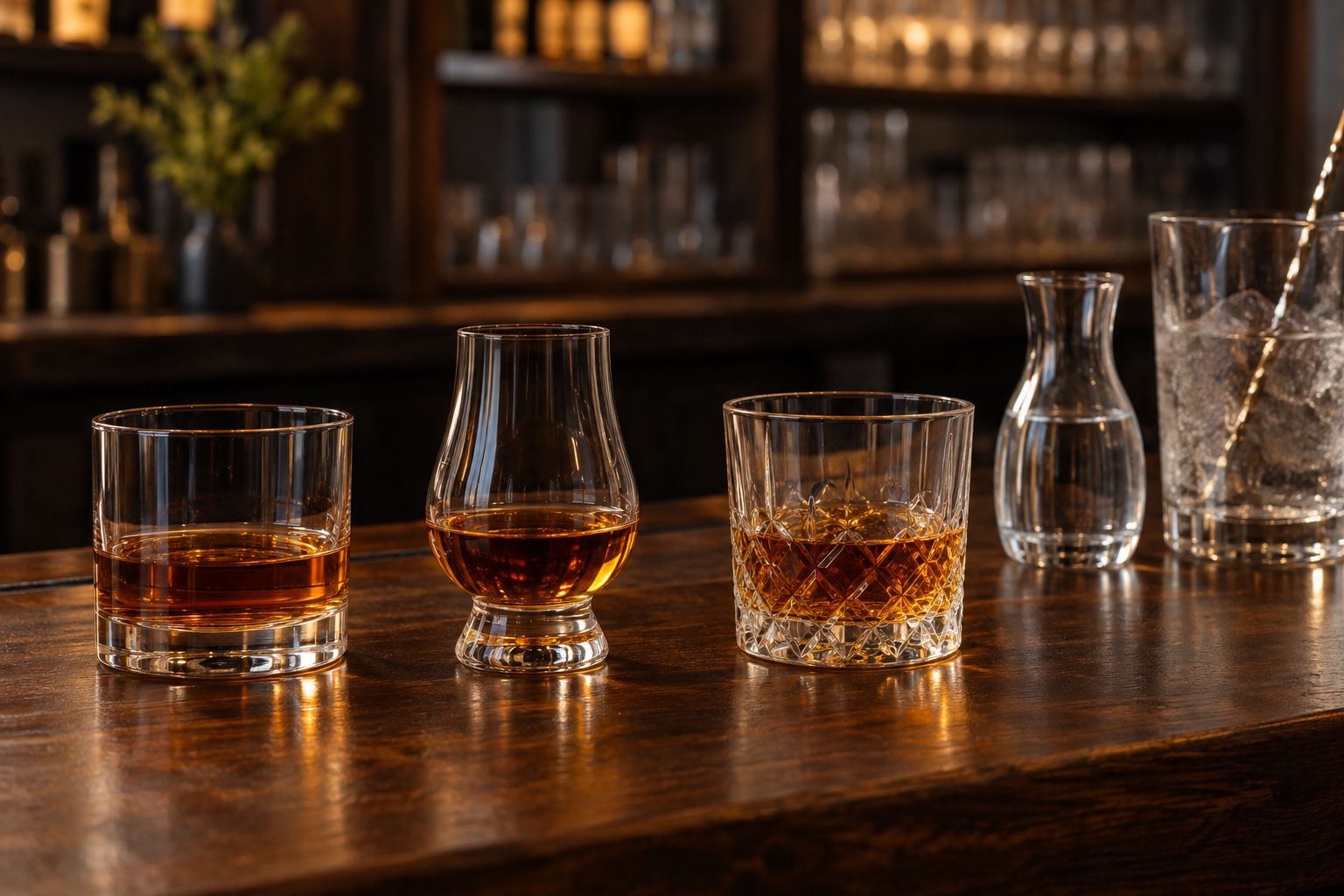
Every bottle was in stock in our store when we chose them. We selected them for distinct buying decisions, using producer specifications and tasting notes. This is a buying guide, not the result of a tasting panel or a points-based ranking.
The best bourbons by what you want
A lower-proof start: Basil Hayden

If you want to begin at the lowest strength in this selection, choose Basil Hayden. Its producer describes brown sugar, a touch of black pepper and dried fruit on the palate. The high-rye recipe also makes it an alternative to a wheated first bottle.
A first wheated bottle: Maker’s Mark

Choose Maker’s Mark if oak, vanilla and fruit sound like your sort of first bourbon: those are the producer’s palate notes. The brand recommends it neat, over ice or in a Whisky Sour. That gives you several ways to try one bottle before deciding what you want from the next.
An everyday all-rounder: Woodford Reserve

Woodford’s tasting notes include citrus, cinnamon and cocoa. For a mixed drink, its own Spire recipe pairs the bourbon with lemonade and cranberry juice. Consider it for your regular bottle if those flavors appeal and you want a cocktail option beyond an Old Fashioned.
A gift for oak lovers: Woodford Reserve Double Oaked

Double Oaked matures in two separate charred oak barrels; the second is deeply toasted before being lightly charred. The producer describes a full-bodied palate with dark caramel, hazelnut and apple. Choose it as a gift for someone who enjoys oak-focused bourbon and wants to explore a different barrel treatment.
Cocktails with woody spice: Elijah Craig Small Batch

Elijah Craig uses Level 3 charred oak barrels for Small Batch. Its palate notes describe wood, spice, smoke and nutmeg, and the producer recommends it for an Old Fashioned. Choose this bottle if those flavors are the direction you want your cocktail to take.
A bonded bottle with age: Heaven Hill Bottled-in-Bond 7 Year

Heaven Hill’s aroma notes emphasize vanilla, honey and caramel sweetness, with a subtle rye spice note on the palate.
A published high-rye recipe: New Riff Bottled-in-Bond

New Riff publishes the proportions of all three grains and bottles this bourbon without chill filtration. Its aroma notes move from butterscotch into fresh oak, with vanilla and rye spice. Choose it if you enjoy knowing what went into the recipe as well as what the producer says you might smell.
Nine years in oak: Knob Creek 9 Year
Knob Creek’s nine-year bourbon has a producer-described oak-led palate, with hints of vanilla and layered caramel. Our current listing is the 1 L bottle; allow for that larger size when comparing prices.
An individual barrel to explore: Four Roses Single Barrel

This is the standard OBSV expression, whose palate notes highlight ripe plum and cherries.
A bold Old Fashioned: Wild Turkey 101

Wild Turkey describes vanilla and caramel followed by oak and baking spice. Its case for using 101 in an Old Fashioned is specific: the bourbon’s flavor stays present in the cocktail. Choose it for that job, and note the sizes in the table—our current range has no 750 ml option.
A barrel-proof exploration: Booker’s Big Easy Batch 2026-01

Booker’s is uncut and unfiltered, and the producer gives this particular batch vanilla and spice aromas. Choose it if you specifically want to explore a much higher bottling strength: Big Easy Batch 2026-01 is 129.1 proof. Match the batch number when ordering.
Compare them at a glance
Prices are in US dollars; use the linked product page for the current price and size. “Not stated” means the producer page checked does not give an age, rather than a claim that the whiskey is young. A dash means no detail is supplied for that field.
| Bottle | Proof | Producer-stated age | Grain clue | Label or process | Formats in stock | Price for stated size |
|---|---|---|---|---|---|---|
| Basil Hayden | 80 | Not stated | High rye | — | 375 ml, 750 ml, 1 L | $38.99 / 750 ml |
| Maker’s Mark | 90 | Not stated | Soft red winter wheat | — | 50 ml, 200 ml, 375 ml, 750 ml, 1 L, 1.75 L | $28.99 / 750 ml |
| Woodford Reserve | 90.4 | Not stated | — | — | 50 ml, 375 ml, 750 ml, 1 L, 1.75 L | $38.99 / 750 ml |
| Woodford Reserve Double Oaked | 90.4 | Not stated | — | Two oak barrels | 750 ml, 1 L | $58.99 / 750 ml |
| Elijah Craig Small Batch | 94 | Not stated | — | Small batch | 375 ml, 750 ml, 1.75 L | $29.99 / 750 ml |
| Heaven Hill Bottled-in-Bond 7 Year | 100 | 7 years | — | Bottled-in-bond | 750 ml | $39.99 / 750 ml |
| New Riff Bottled-in-Bond | 100 | At least 4 years | 65% corn / 30% rye / 5% malted barley | Bottled-in-bond | 750 ml | $41.99 / 750 ml |
| Knob Creek 9 Year | 100 | 9 years | — | Age statement | 1 L | $39.99 / 1 L |
| Four Roses Single Barrel | 100 | 7–9 years | Rye-forward OBSV recipe | Single barrel | 750 ml | $43.99 / 750 ml |
| Wild Turkey 101 | 101 | 6–8 years | High rye | — | 200 ml, 375 ml, 1 L, 1.75 L | $31.99 / 1 L |
| Booker’s Big Easy Batch 2026-01 | 129.1 | 7 years, 2 months, 15 days | — | Uncut / barrel proof | 750 ml | $99.99 / 750 ml |
For a smaller bottle under $20, Maker’s Mark 375 ml is $16.99, and Wild Turkey 101 375 ml is $14.49.
How to choose a bourbon
- Start with the serve. Decide whether this bottle is mainly for sipping or mixing, then use the producer’s suggested serves in the entries above.
- Pick a strength you want to explore. This list runs from 80–90 proof through roughly 100 proof to the 129.1-proof Booker’s batch.
- Read the grain clue. Look for a named recipe or published proportions, then compare the producer’s actual flavor notes rather than treating a grain as a complete tasting description.
If a pick sells out, use its proof, grain clue and bottle size as your replacement checklist. Keep the same drinking job in mind when you make that substitution.
What makes bourbon bourbon?
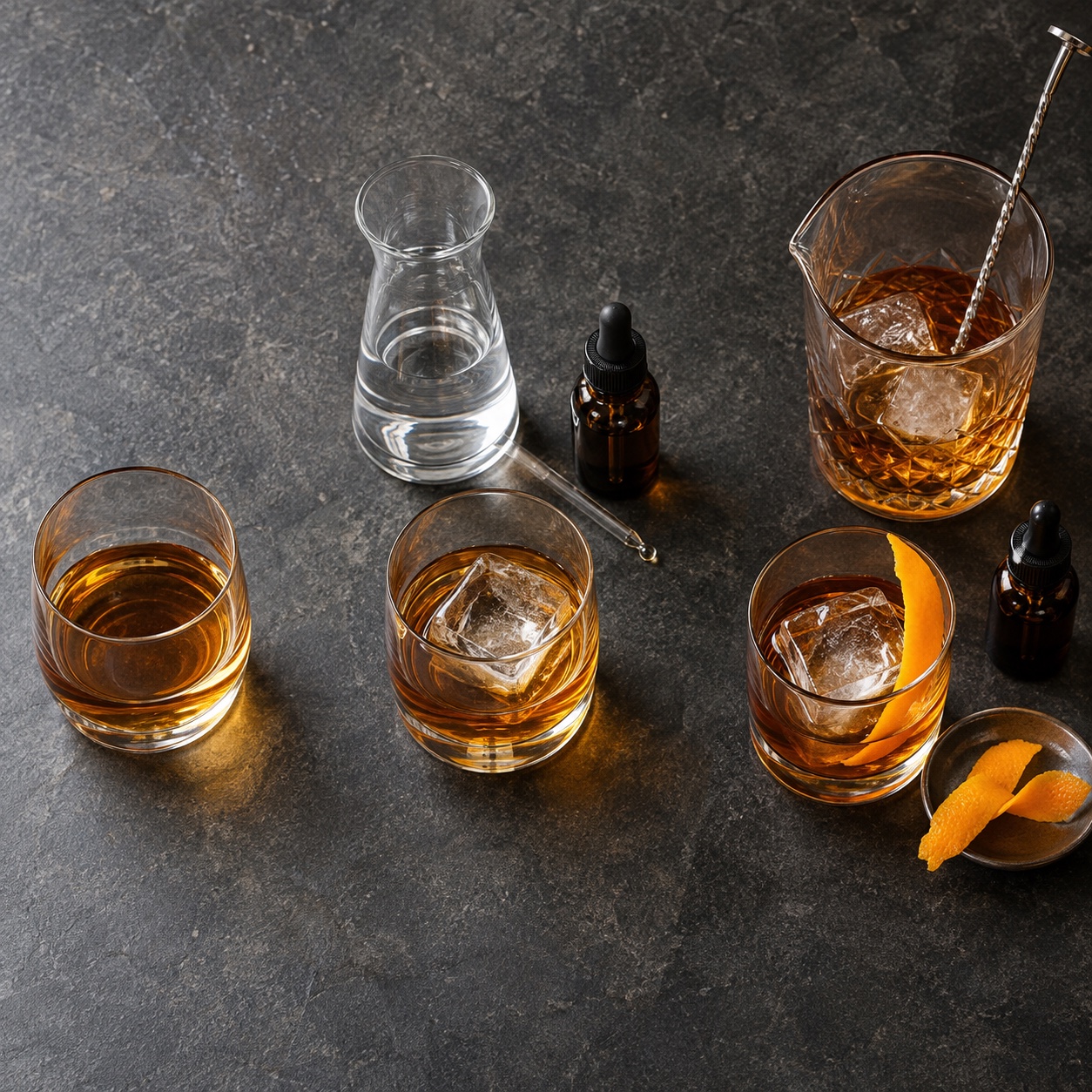
Bourbon is a type of whiskey distilled and aged in the United States; it does not have to come from Kentucky. Its fermented mash must contain at least 51% corn, it must be distilled at no more than 160 proof, and it must enter new charred oak barrels at no more than 125 proof. Bottling strength must be at least 80 proof, and added coloring, flavoring or blending materials are not permitted.
Plain bourbon has no federal minimum aging period, while straight bourbon must spend at least two years in new charred oak. For the wider category distinction, read our bourbon vs whiskey guide. Our guide to Jack Daniel’s and bourbon explains where Tennessee whiskey fits.
Bourbon label terms that help you choose
Age statement. For bourbon, the age on the label is the youngest whiskey in the bottle; it may understate the age but cannot overstate it. A bourbon younger than four years must carry an age statement. Use the age-stated picks above when that number matters to your choice.
Bottled-in-bond. Among the requirements are one distiller, one distillery, one distilling season, at least four years of aging and bottling at exactly 100 proof (50% alcohol by volume). Only pure water may be used to reduce the proof. US bottled-in-bond labels also identify the distillery and the plant numbers for distilling and bottling. As Virginia ABC points out, the bottled-in-bond designation is not a guarantee of quality.
Single barrel and small batch. Single-barrel bourbon comes from one barrel, preserving its distinctive taste characteristics. Small-batch bourbon usually blends selected barrels, giving the producer more control over the combined flavor; there is no specific legal definition or fixed barrel count.
Barrel proof or cask strength. Under current US rules, the bottling proof may be no more than two proof degrees below the spirit’s strength when it is emptied from the barrels. “Entry proof” is different: it means the bottling strength matches the strength at which the spirit entered the barrel.
Wheated vs high-rye: how much does the mash bill matter?
The mash bill is the grain recipe, and it is one reason bourbons taste different. Wheated bourbon uses wheat instead of rye as the secondary grain. Maker’s Mark identifies soft red winter wheat as the star of its mash bill.
Four Roses identifies the standard Single Barrel’s OBSV recipe as its more rye-forward B mash bill combined with its V yeast strain.
Use our whiskey tasting guide to organize your own notes, or explore rye whiskey if you want to take the grain comparison further.
Bourbon FAQs
What is the smoothest bourbon?
First decide what “smooth” means to you: less alcohol heat, sweeter flavors or less oak. For a producer-described sweet palate, consider Maker’s Mark.
Is older or more expensive bourbon better?
Neither tells you whether you will enjoy the bottle more. Choose within your budget and the flavor profile you want; treat extra years as something to explore, not a reason to spend more by itself.
Should you add ice or water?
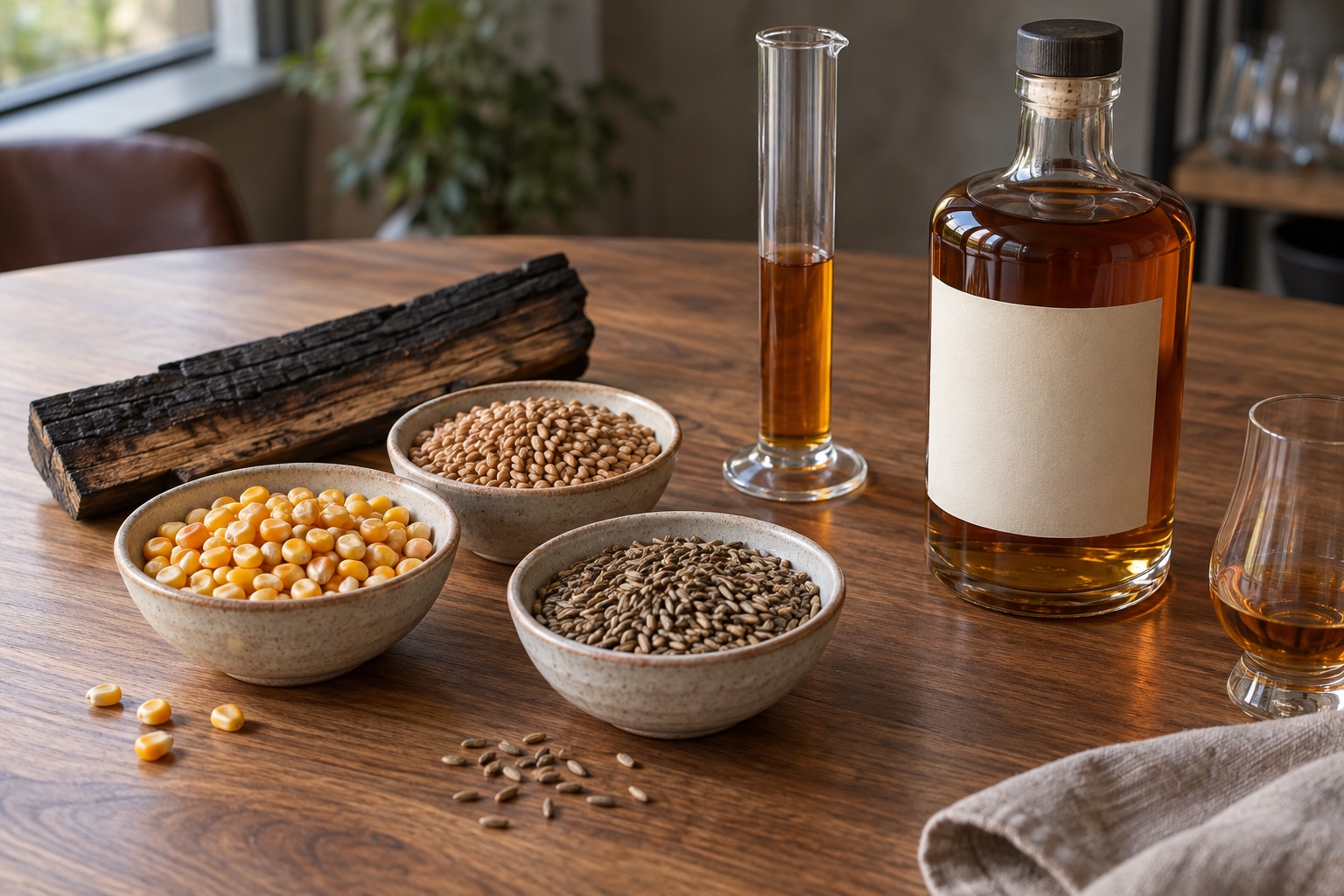
For a water experiment, Wild Turkey recommends adding a drop, then smelling the bourbon again to explore more flavor notes. For ice and other serving options, see how to drink whiskey. For storage and changes after opening, go to our whiskey shelf-life guide.
Browse our Bourbon Whiskey range to choose your bottle, or compare other styles in our best whiskey guide.