For the best vodka for your next drink, start with the way you’ll serve it: a Martini, a mixed drink or a glass on its own. Use the shortlist below to choose a bottle for that job, then compare the producer’s tasting notes with what you enjoy.
Our vodka picks at a glance
These picks use producer descriptions and bottles we had in stock when we chose them; they are not a tasting-panel ranking.
| Bottle | Start here for | Bottle size | Price band |
|---|---|---|---|
| Chopin Potato | Neat or a rich Martini | 1 L | $20–$35 |
| Purity Signature 34 Organic | An organic option to sip | 750 ml | $20–$35 |
| Belvedere Organic | Rye vodka over ice | 1.75 L | $35–$50 |
| Hanson of Sonoma Organic Original | A chilled grape vodka | 750 ml | $20–$35 |
| Ketel One | A classic dry Martini | 750 ml | $20–$35 |
| Grey Goose | A stirred Martini | 750 ml | $20–$35 |
| Haku | A Martini with a lemon twist | 750 ml | $20–$35 |
| Absolut Elyx | A single-estate wheat option | 750 ml | $20–$35 |
| Tito’s Handmade | Corn vodka for mixed drinks | 750 ml | Under $20 |
| Cîroc | Grape vodka for a spritz | 750 ml | $20–$35 |
| Absolut | Grain character in your glass | 1 L | $20–$35 |
| Sobieski | Rye vodka for cocktails | 750 ml | Under $20 |
| Luksusowa | A lower-budget potato option | 1 L | Under $20 |
| Belvedere 10 | A gift with a production story | 750 ml | $100+ |
Prices and availability can change; check the linked size before ordering. The 1.75 L Belvedere Organic bottle is available for in-store pickup or local delivery only.
Best vodka to sip neat or over ice
Chopin Potato is the place to start if you want a full-bodied feel: its producer describes creamy, earthy flavor, green-apple and vanilla aromas, and a long, clean finish.
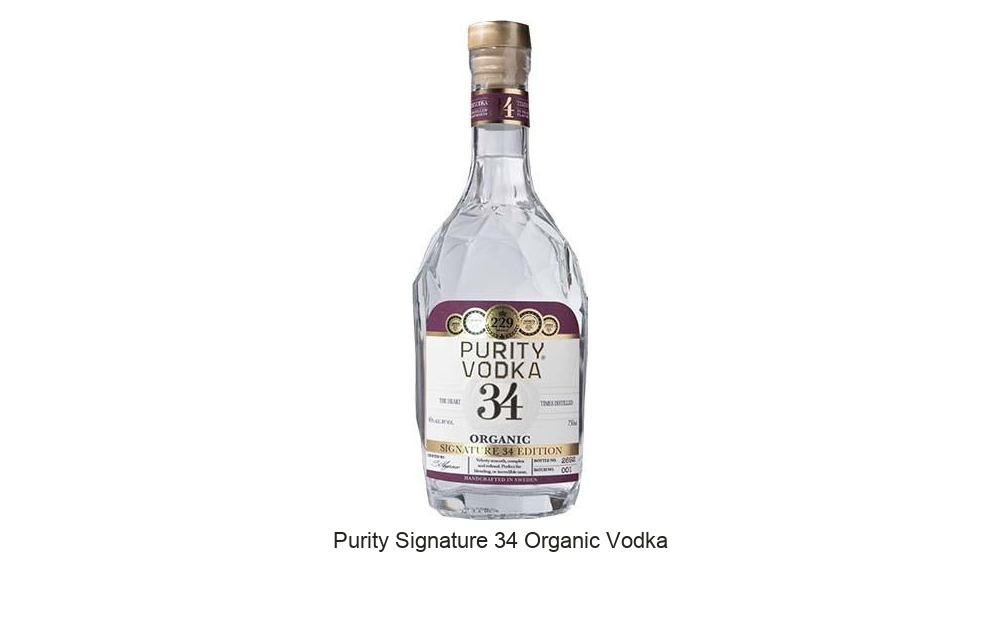
For an organic-grain alternative, Purity Signature 34 has gentle grain notes, subtle sweetness and a clean finish. Its heart spirit starts with organic winter wheat and malted barley, and the distiller recommends the finished vodka neat or in a Martini.
Belvedere Organic takes the rye route, with a velvety texture and notes of vanilla, black pepper and spice, followed by almond and clotted cream on the finish. The producer includes an on-the-rocks serve for this bottling.
Want to explore beyond grain? Hanson of Sonoma Organic Original starts with organic grapes. Hanson describes a silky mouthfeel and a clean, lingering finish, and suggests serving it chilled.
Best vodka for a Martini
Choose Ketel One if citrus and sweet-honey aromas appeal; its producer also describes a silky feel. For Grey Goose, the tasting notes take a different direction: delicate floral aromas, a sweet, round palate and a toffee finish.
Use these two producer recipes as starting points for your preferred balance of vodka and vermouth:
- Ketel One Dry Martini: 1.4 oz vodka and 0.3 oz dry vermouth, stirred with ice and strained into a chilled Martini glass.
- Essential Chopin Martini: 2.75 oz Chopin Potato and 0.25 oz Dos Déus Origins Dry White Vermouth, stirred with ice, strained into a chilled glass and garnished with three Castelvetrano olives.
The Chopin recipe uses an 11:1 vodka-to-vermouth ratio, compared with about 4.7:1 for Ketel One. When comparing the bottles themselves, use the same ratio, vermouth, garnish and method for both; otherwise you are also comparing two recipes. Note the aroma, texture and finish you prefer before changing anything else.
For a lemon-twist serve, try Haku: Suntory’s recipe calls for stirring with ice for 30 seconds, then expressing lemon oils over the drink. The vodka is made from Japanese white rice, filtered through bamboo charcoal, and described by its producer as soft and silky on the finish.
Absolut Elyx’s producer specifies winter wheat from one estate and a hand-operated copper still dating to 1921, and describes a silky mouthfeel.
Prefer a dirty Martini? Ketel One’s cocktail collection includes that salty, briny option for olive lovers.
Best vodka for mixed drinks
Tito’s Handmade is our corn-based pick for this group. Tito’s uses old-fashioned pot stills at its Austin distillery. The producer’s Espresso Martini recipe gives you one way to use it with coffee.
For a grape-based alternative, Cîroc is distilled from French grapes and has a fresh, citrus taste in the producer’s description. Its City Break serve combines vodka with lime, sugar and mint, topped with sparkling wine or soda water.
Absolut is worth considering if you like a distinctly grainy flavor with a hint of dried fruit—the original bottling’s producer notes.
Espresso Martini, Bloody Mary or Moscow Mule?
For an easy-to-measure Espresso Martini, Difford’s Guide’s equal-parts version uses 30 ml each of vodka, coffee liqueur and espresso. Shake with ice and fine-strain into a chilled glass.
A Bloody Mary takes the savory route with tomato juice, lemon, hot sauce, Worcestershire sauce, pepper and celery salt; a Moscow Mule combines vodka with ginger beer, lime and sugar syrup. For more combinations, use our vodka mixers guide.
Good vodka for everyday budgets
Sobieski gives you a Polish rye option among the lower-priced picks. The producer describes a subtle mature-grain aroma and a silky taste, and explicitly recommends it for cocktails.
Luksusowa is the potato alternative in this part of the list. Its producer says the process retains potato character; choose it if that is the direction you want to explore without moving into the higher price bands.
A vodka to give or splurge on
Belvedere 10 offers a specific production story for a gift: one rye, farm, field and harvest, followed by exactly ten months of resting. The producer describes coconut, cacao and vanilla aromas, a creamy mouthfeel and a finish with praline and dark cacao.
What the base ingredient can tell you
Vodka can start with more than potatoes: this list includes rye, wheat, corn, grapes and rice. Ketel One identifies its base simply as grain.
Difford’s Guide describes the following typical tendencies; use them to explore styles, rather than as tasting notes for every bottle made from that crop.
| Base | Category tendency |
|---|---|
| Wheat | Subtle aniseed and pepper; lemon zest |
| Rye | Nutty sweetness and rye bread |
| Potato | Creamier texture, fuller flavor and sometimes vegetable notes |
| Barley | Bready, lightly nutty, brioche-like sweetness |
How to read a vodka label
Under US rules, vodka belongs to the neutral-spirits class: it is distilled at 95% ABV or higher and bottled at no less than 40% ABV. The bottled strength is the number to check when choosing a drink; our vodka proof guide explains the label terminology.
Grey Goose is distilled once; Cîroc’s process includes four column-still distillations and a fifth in a copper pot still. Treat the count as background to the bottle, rather than your deciding criterion.
“Charcoal filtered” has a specific US labeling rule: the vodka must be treated and filtered with at least one ounce of activated carbon or charcoal per 100 wine gallons of spirits. That wording describes a process, so look elsewhere on the label or producer page for the flavor and serving information you want.
How to serve vodka
For Grey Goose, the producer recommends serving it cold, whether stirred or shaken with ice and strained, poured over ice, or chilled in the freezer. For Martini preparation, Difford’s Guide suggests keeping the vodka and serving glasses in the freezer and the vermouth in the refrigerator.
Vodka questions worth asking before you buy
What is the smoothest vodka?
If avoiding a burning finish matters to you, Chopin’s Potato notes specifically describe “no burn”; treat that as the producer’s description, then decide whether it matches your own experience.
Is expensive vodka better?
We would not use price alone to choose your bottle. Decide whether the production details or flavor description matter to you enough to spend more.
Can grain vodka be gluten-free?
Yes: TTB permits gluten-free claims for spirits distilled from gluten-containing grains when good manufacturing practices prevent gluten-containing material from entering the final product. Check the exact product’s claim rather than rejecting every grain-based vodka.
Does unflavored vodka contain sugar?
US rules allow vodka to be treated with up to 2 grams of sugar and 1 gram of citric acid per liter, so “vodka” alone is not a no-sugar statement. For the nutrition questions, see our vodka calories guide.
Which vodka should I use for vanilla extract?
If your vanilla-extract recipe calls for unflavored 40% ABV vodka, Absolut’s original bottling is one option. The FDA standard concerns the finished extract: it requires at least 35% alcohol by volume and a minimum concentration of vanilla constituent. A vodka’s starting strength alone does not establish that your finished extract meets that standard.
Ready to choose? Browse our vodka selection for the bottle and size you want.